Company Logo
ENTERPRISE IT INFRASTRUCTURE & CYBERSECURITY
Skip to content
🛡️ Zero Trust Perimeter Shield

Firewall & Cyber Security Services

Microlines Infotech deploys Next-Generation Firewalls (NGFW), SSL deep packet inspection, Zero Trust Network Access (ZTNA), IPS/IDS threat prevention, and 24/7 SOC monitoring.

🔥
Next-Gen Firewall (NGFW)
Deep Packet Inspection (DPI)
🔐
Zero Trust Remote VPN
MFA & Micro-segmentation
🎯
IPS / IDS Threat Prevention
Real-Time Malware Blocking
99.9%
Malware Catch Rate
300+
Firewalls Managed
0 Zero-Day
Unpatched Vulnerability Rate
< 15 Min
SOC Incident Response

Enterprise Firewall & Cyber Security Capabilities

Comprehensive perimeter defense and internal network isolation engineered for corporate offices, banks, industrial factories, and cloud datacenters.
NGFW Engine Next Gen Firewall Security Appliance Microlines Infotech

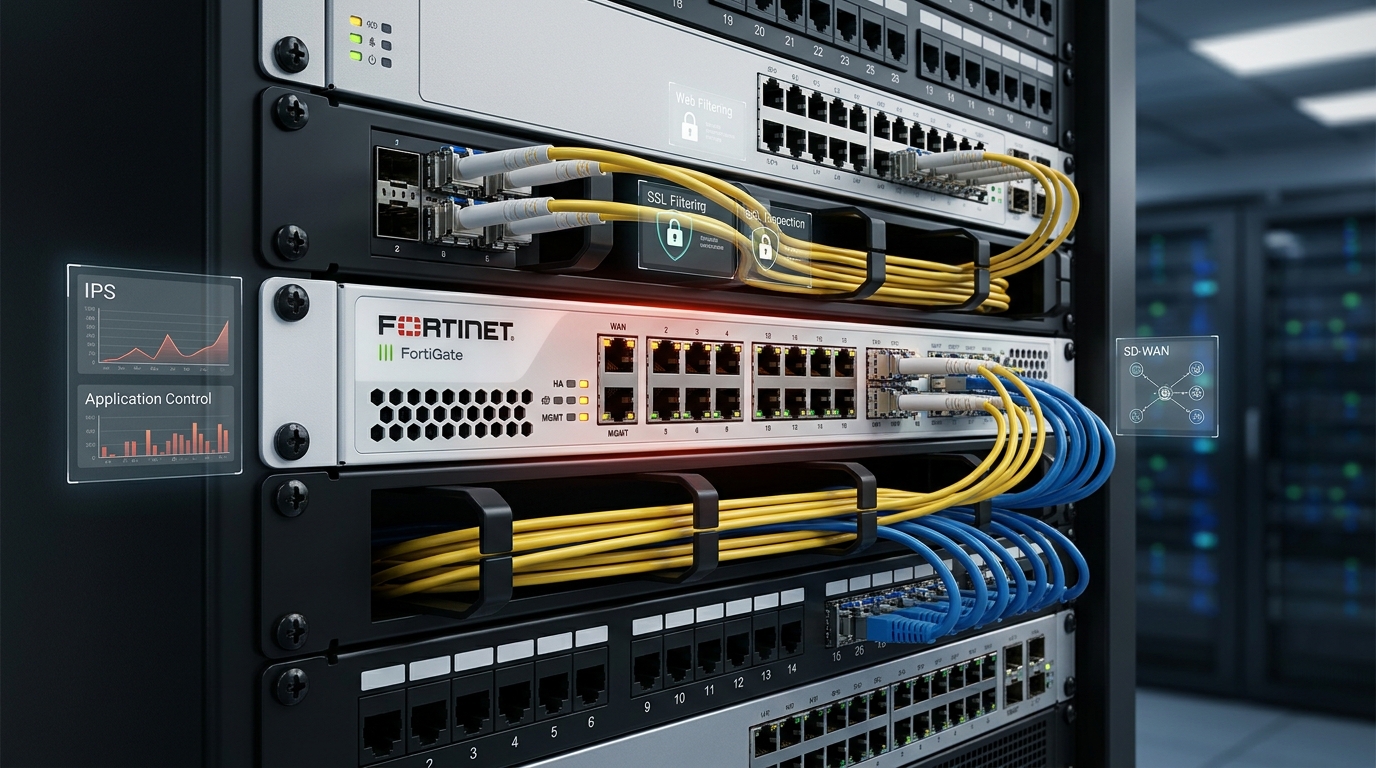
Next-Generation Firewall (NGFW) Deployment

Hardware-accelerated SSL/TLS decryption, application control, sandboxing, and AI-driven intrusion prevention stopping zero-day ransomware before it breaches the perimeter.

  • Layer 7 Application Control
  • Hardware SSL/TLS Inspection
  • Cloud AI Threat Sandboxing
  • High-Availability Active-Passive

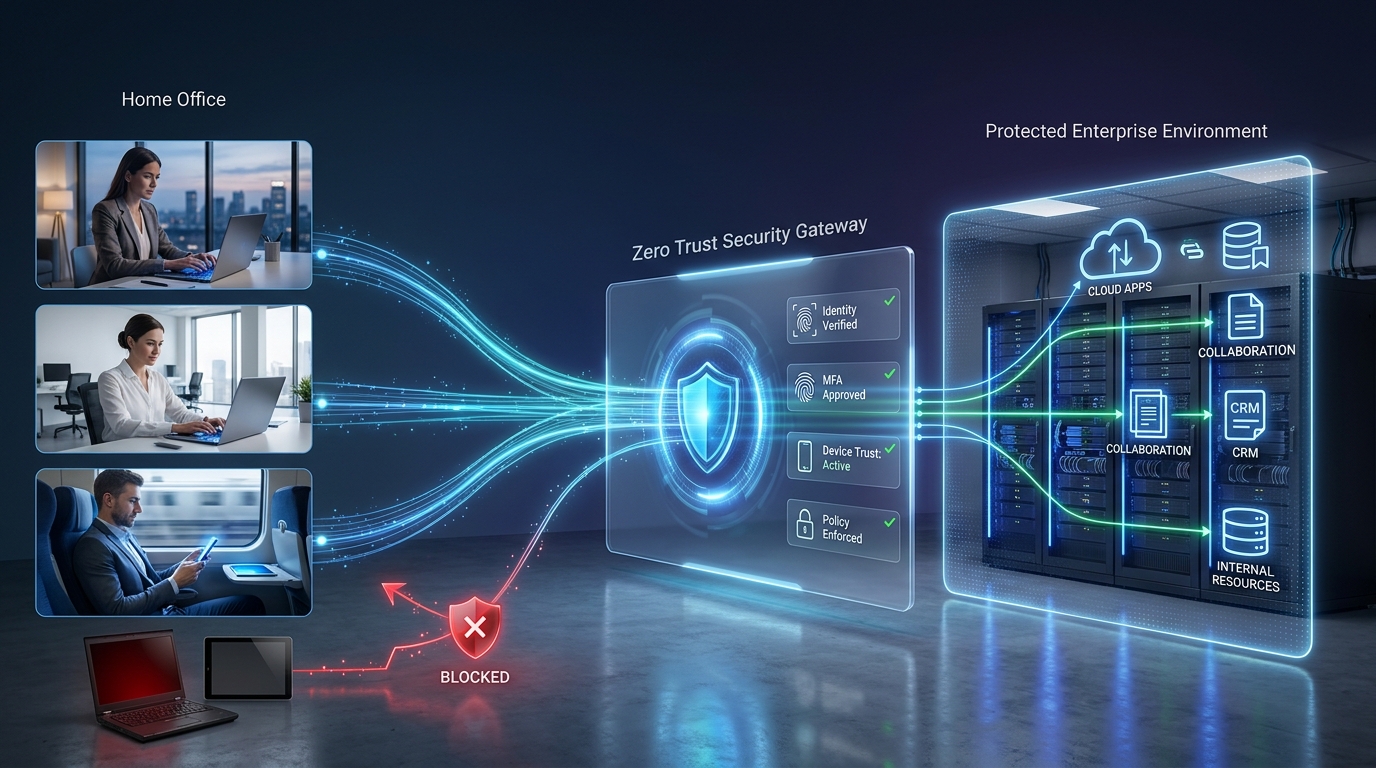
Zero Trust Network Access (ZTNA) & Remote VPN

Secure work-from-anywhere access replacing legacy VPNs with identity-verified Zero Trust tunnels, Multi-Factor Authentication (MFA), and device health compliance checks.

  • Per-Application Access Tunnels
  • Mandatory MFA / TOTP Integration
  • Endpoint Posture Health Check
  • Encrypted IPsec / WireGuard VPN
Zero Trust ZTNA Zero Trust Access Control MFA Microlines Infotech
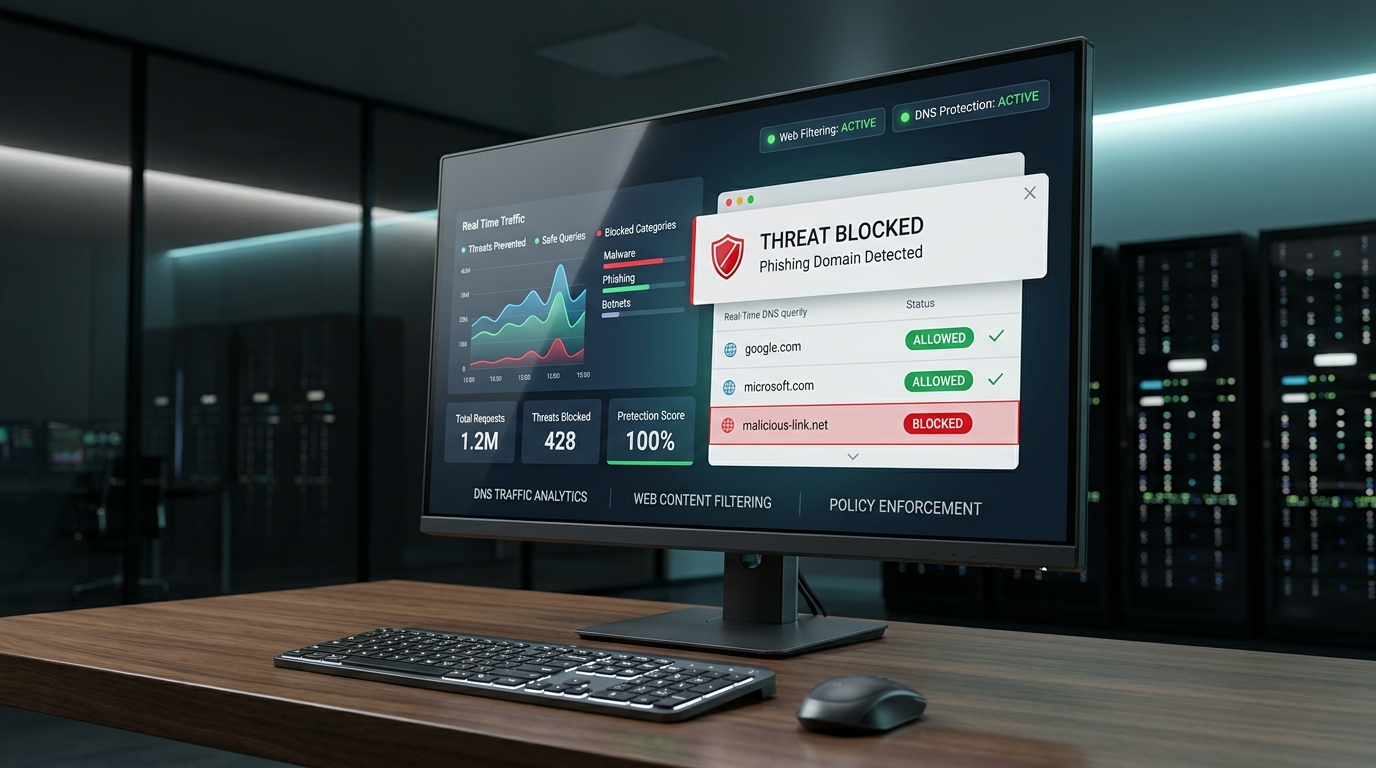
Perimeter Isolation Web Content Filtering Network Security Microlines Infotech

Web Filtering & DNS Threat Block

Real-time URL category filtering, DNS sinkholing, and botnet C2 communication block preventing staff from visiting malicious phishing domains or downloading malware payloads.

  • Real-Time URL Category Filter
  • Malicious DNS Sinkholing
  • Bandwidth Throttling Rules
  • Safe Search & Social Blocking

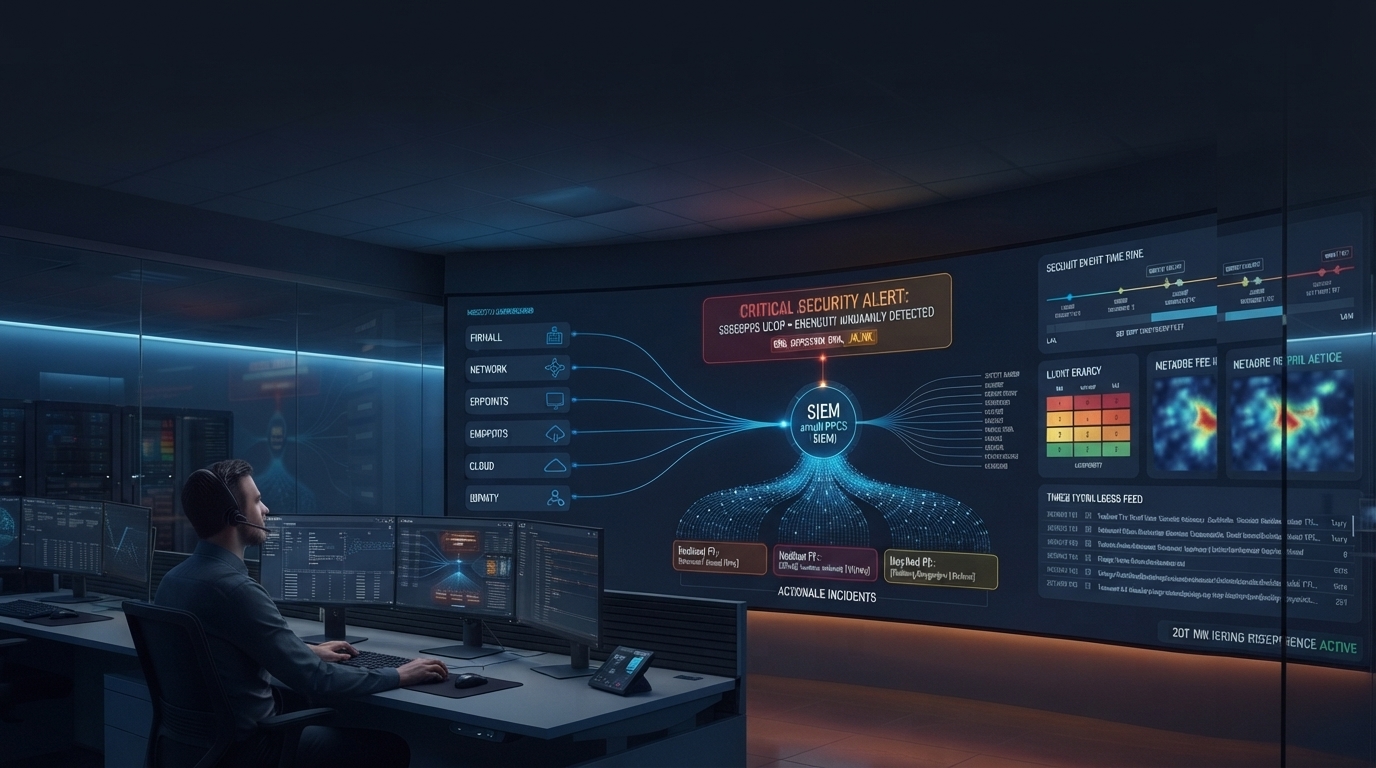
24/7 Managed SOC Telemetry & SIEM Alerts

Centralized syslog aggregation, SIEM security telemetry, and automated SOC incident response dispatching alerts within 15 minutes of an anomaly detection.

  • Centralized SIEM Log Collection
  • 15-Min SOC Escalation SLA
  • Automated Rule Patching
  • Compliance Audit Reporting
SOC Intelligence SOC Security Operations Center Telemetry Microlines Infotech

Related Firewall Appliances & Security Products

Tier-1 security appliances sourced directly from Sophos, Fortinet, Palo Alto Networks, and SonicWall with 3-year licensing.

Sophos XGS 2100 Firewall

Sophos XGS 2100 Appliance

Next-Gen Firewall with Xstream Architecture

Dual-engine Xstream Flow Processor, 35 Gbps firewall throughput, 1.2 Gbps threat protection, built-in TLS 1.3 inspection.

Request Price Quote →
Fortinet FortiGate 60F Firewall

Fortinet FortiGate 60F

Enterprise Desktop Security Gateway

SOC4 ASIC processor, 10 Gbps firewall throughput, 700 Mbps threat protection, built-in SD-WAN controller, 10x GE RJ45 ports.

Request Price Quote →
Palo Alto PA-440 Next-Gen Firewall

Palo Alto PA-440 NGFW

ML-Powered Next-Gen Firewall

Machine-learning threat prevention, 3.0 Gbps firewall throughput, WildFire cloud inline sandboxing, PAN-OS zero trust architecture.

Request Price Quote →

SonicWall TZ470 Security Appliance

SonicWall TZ470 Series

Multi-Gigabit Branch Firewall

3.5 Gbps firewall throughput, Real-Time Deep Memory Inspection (RTDMI), 2.5GbE ports, integrated Wi-Fi option, SonicOS 7.0.

Request Price Quote →

Frequently Asked Questions

Everything you need to know about Next-Gen Firewalls, SSL inspection, Zero Trust VPNs, and ransomware perimeter defense.

1. What is the difference between a traditional port firewall and a Next-Gen Firewall (NGFW)?
Traditional firewalls only inspect basic IP addresses and port numbers (Layer 3/4). A Next-Generation Firewall (NGFW) performs Layer 7 deep packet inspection, decrypts SSL/TLS traffic, identifies specific applications (e.g., blocking Torrent or file-sharing while allowing Zoom), and checks payloads against real-time malware databases.
2. Why is SSL/TLS Deep Packet Inspection (DPI) mandatory for full security?
Over 85% of modern web traffic and cyberattacks use HTTPS encryption to hide malicious payloads from standard firewalls. SSL DPI decrypts incoming traffic in hardware memory, scans for malware/ransomware signatures, and re-encrypts it instantly without degrading network latency.
3. How does Zero Trust Network Access (ZTNA) differ from legacy IPsec/SSL VPNs?
Legacy VPNs grant remote users full network access once authenticated. ZTNA enforces “Never Trust, Always Verify” micro-segmentation, giving users access ONLY to specific authorized applications while keeping the rest of the corporate internal network invisible.
4. How does Active-Passive High Availability (HA) prevent internet downtime?
We deploy two identical firewall appliances connected via a dedicated HA heartbeat cable. Primary Firewall A handles active sessions. If Firewall A experiences hardware failure, Secondary Firewall B takes over session state in under 500 milliseconds without dropping active VPN connections or user sessions.
5. Can the firewall block social media, gaming, and streaming sites during work hours?
Yes. We configure time-based Web Filtering policies that restrict non-work bandwidth consumers (Netflix, YouTube 4K, Torrent, Gaming) during office hours (9 AM – 6 PM) while prioritizing business-critical SaaS apps like SAP, Microsoft 365, and VoIP.
6. Does Microlines provide annual firewall license renewal and firmware patching?
Yes. We manage full 1-year and 3-year Sophos, Fortinet, and Palo Alto security license renewals (IPS, AV, Web Filter, Sandboxing) along with scheduled zero-downtime firmware patch updates to protect against newly disclosed CVE vulnerabilities.
7. Is your firewall security setup compliant with Indian DPDP and ISO 27001 audit standards?
Yes. All firewall configurations adhere strictly to ISO 27001, CERT-In cybersecurity guidelines, and Indian DPDP regulations, including mandatory 180-day syslog retention, role-based admin access, and quarterly vulnerability assessment reports.